A fallen tree can be one of the most stressful and immediate property emergencies a homeowner faces. Beyond the initial shock, the urgent question becomes: ‘Will my homeowners insurance cover this?’ In Virginia, understanding the specifics of your policy and state regulations is crucial for a smooth recovery. Note that actual coverage always depends on your specific policy language, deductible, and endorsements.
Key Takeaways
- Most standard Virginia homeowners insurance policies typically cover tree damage to your dwelling and other structures caused by ‘named perils’ like windstorms.
- Coverage only applies after your specific deductible is met and is subject to the exact language of your policy.
- Tree removal is usually capped between $500-$1,000 per tree and only applies if a covered structure is damaged or access is blocked.
- If a neighbor’s tree falls on your property, your own insurance usually covers the damage unless you can prove neighbor’s negligence.
- Insurers often allow immediate removal of hazardous trees to prevent further damage, but thorough documentation is required for reimbursement.
- Premier Tree & Landscaping assists by providing detailed line-item estimates and supporting documentation for insurance adjusters.
Understanding Your Homeowners Insurance Policy in Virginia
Homeowners insurance in Virginia provides financial protection against various perils, including damage caused by fallen trees. However, the extent of coverage depends heavily on what caused the tree to fall and what it damaged. Policies are designed to protect your dwelling, other structures on your property, and sometimes even the cost of debris removal, but coverage only applies after your deductible has been met.
What is a Covered Peril?
A ‘covered peril’ is a specific event or cause of loss listed in your insurance policy for which you are covered. Most standard homeowners policies in Virginia utilize ‘open peril’ coverage for the dwelling and ‘named peril’ coverage for personal property, though policy types can vary. Common perils leading to claims include windstorms, lightning, and ice.
- Windstorms and hurricanes
- Lightning strikes
- Weight of ice or snow
- Vandalism or malicious mischief
- Vehicles (not owned by you or a resident)
Key Components of Coverage
Your policy outlines specific components of your property that are protected. This typically includes your main dwelling, detached structures like garages or sheds, and personal property. The coverage limits for each component vary, directly impacting how much your insurer will pay for repairs or replacement after tree damage.
- Dwelling Coverage (Coverage A): Protects the main structure of your home.
- Other Structures Coverage (Coverage B): Covers detached garages, sheds, fences, and gazebos, usually 10% of Dwelling Coverage.
- Personal Property Coverage (Coverage C): Protects your belongings inside or outside your home.
- Loss of Use Coverage (Coverage D): Pays for additional living expenses if your home becomes uninhabitable.
Common Tree Damage Scenarios and Virginia Coverage
The question of insurance coverage for tree damage often depends on what the tree actually hit. Most standard policies typically cover damage when an insured structure is involved.
| Scenario | Typical Homeowners Coverage (VA) | Coverage Limits/Notes |
| Tree on House/Attached Structure | Yes (Dwelling Coverage) | Covers repairs to structure + tree removal from structure. Debris removal mandated by 14VAC5-342-40. |
| Tree on Detached Garage/Shed/Fence | Yes (Other Structures Coverage) | Covers repairs to structure + tree removal from structure. Typically 10% of Dwelling Coverage. |
| Tree in Yard, No Damage | No (Generally) | Only covered if tree blocks driveway/disabled access. Limited removal coverage ($500-$1,000). |
| Tree on Car | No (Homeowners) | Covered by Comprehensive Auto Insurance. |
| Neighbor’s Tree on Your Property | Yes (Your Homeowners Policy) | Covers your damage unless neighbor proven negligent. Your insurer handles your claim. |
| Tree Removal (Healthy, Proactive) | No | Considered maintenance, not covered by insurance. |
Tree Falls on Your House or Covered Structure
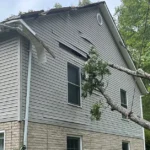
If a tree falls directly onto your house, garage, or another insured structure due to a covered peril, your homeowners insurance will likely cover the damage. This includes the cost of repairs and the removal of the tree from the structure. The Virginia State Corporation Commission (SCC) rules, particularly 14VAC5-342-40, specify that insurers must provide coverage for debris removal when a tree damages a covered structure due to a covered peril.
Tree Falls on a Fence or Detached Shed
Damage to a fence, shed, or other detached structure on your property is typically covered under the ‘Other Structures’ portion of your policy. This coverage usually has a separate limit, often around 10% of your dwelling coverage.
Tree Falls in Your Yard, No Damage to Structure
When a tree falls in your yard but doesn’t hit any insured structure, homeowners insurance generally does not cover the cost of removing the tree. The exception is if the fallen tree blocks a driveway or a ramp for the disabled, making your property inaccessible. Premier Tree & Landscaping can advise on these specific nuances.
Tree Falls on Your Vehicle
A tree falling on your car is typically covered by the comprehensive portion of your auto insurance policy, not your homeowners policy. You would file a claim directly with your auto insurer for vehicle repairs.
Neighbor’s Tree Falls on Your Property
In Virginia, if your neighbor’s healthy tree falls on your property due to a storm (an ‘Act of God’), your own homeowners insurance is responsible for covering the damage. Your neighbor is generally not liable unless you can prove they were negligent, such as failing to address a visibly dead tree. For more details, resources like the Virginia Cooperative Extension offer guidance on assessing tree health.
The Insurance Claims Process: A Step-by-Step Guide
When a tree falls, knowing the right steps can significantly streamline your insurance claim process. Premier Tree & Landscaping is well-versed in assisting homeowners through these stages.
Step 1: Prioritize Safety and Document Damage
Safety is always the first priority. Once the area is secure, document everything. Take clear photos and videos from multiple angles. This evidence is critical for your claim. In emergency situations, insurers often allow immediate removal of hazardous trees to prevent further damage, but documentation is still required to justify the emergency intervention.
Step 2: Contact Your Insurance Provider
Contact your insurance agent immediately to report the damage. They will explain your coverage, deductible, and the next steps. Understanding the ‘perils covered’ is vital, as defined by the Insurance Information Institute.
Step 3: Get Professional Estimates
Before the adjuster arrives, get an estimate from a reputable tree service. Premier Tree & Landscaping provides detailed, line-itemed quotes that clearly outline the scope of work, including removal and debris hauling.
Step 4: Review Settlement and Begin Repairs
The adjuster will determine covered costs, and coverage will apply once your deductible is met. Premier Tree & Landscaping works closely with homeowners to ensure all documentation for the settlement is accurate.
What Homeowners Insurance Usually Does NOT Cover
While insurance covers many scenarios, understanding exclusions helps you avoid surprises and plan appropriately.
Damage from Neglect or Lack of Maintenance
Insurance policies generally do not cover damage resulting from homeowner neglect. If a tree was visibly diseased or dead and you failed to address it, your claim might be denied as a maintenance issue.
Proactive Tree Removal or Trees Not Hitting a Structure
Proactively deciding to remove a healthy tree is considered a maintenance expense, not an insurance claim. Insurance is designed for sudden, accidental events.
Damage from Floods or Earthquakes
Damage caused by floods or earthquakes is typically excluded from standard homeowners insurance policies and requires specialized coverage.
How Premier Tree & Landscaping Assists with Tree Damage Claims
Premier Tree & Landscaping offers comprehensive services to assist Virginia homeowners, from emergency removal to providing detailed estimates for insurance claims.
Emergency Tree Removal and Damage Mitigation
When a tree falls, immediate action is often necessary. Premier Tree & Landscaping provides prompt emergency tree removal services, safely clearing hazardous trees to prevent further structural damage.
Detailed Estimates for Insurance Adjusters
Getting an accurate estimate is crucial. We provide thorough assessments and itemized quotes that your insurance adjuster can easily understand, supported by photographic documentation.
Comprehensive Site Restoration and Future Prevention
Beyond removal, we help restore your property. Our expertise aligns with the high standards of professional arboriculture recognized by the International Society of Arboriculture (ISA).
Your Next Steps After Tree Damage
After a tree incident, taking the right steps can significantly impact your recovery.
- Ensure Safety: Secure the area and contact utility companies if power lines are involved.
- Document Everything: Take extensive photos and videos of the fallen tree and property damage.
- Contact Your Insurer: Report the claim immediately to understand your specific coverage and deductible requirements.
- Call Premier Tree & Landscaping: Get a professional assessment and a detailed estimate for tree removal and repair.
- Review Your Policy: Confirm the language regarding ‘open’ or ‘named’ perils and your debris removal limits.
- Prevent Future Issues: Have a certified arborist from Premier Tree & Landscaping inspect remaining trees for stability.
Conclusion
Navigating homeowners insurance claims after tree damage in Virginia can be complex, but understanding your policy and local regulations simplifies the process. Most standard policies cover damage to your dwelling and other structures from fallen trees due to covered perils. When a tree falls, documenting the damage, understanding your policy limits, and contacting a reputable service like Premier Tree & Landscaping are crucial first steps. By being proactive and informed, you can ensure a smoother recovery and restoration of your property.
Frequently Asked Questions
Does homeowners’ insurance in Virginia cover tree removal if no property is damaged?
Standard homeowners insurance policies in Virginia typically cover tree removal costs if the tree falls on a covered structure, like your house or detached garage. Coverage extends to the damage caused and often a portion of the debris removal. If no structure is hit, removal is generally not covered unless the tree blocks a driveway or ramp for the disabled.
Who is responsible if a neighbor’s tree falls on my property in Virginia?
If your neighbor’s tree falls on your property in Virginia due to a ‘peril’ like a storm, your homeowners insurance policy is usually responsible for covering the damage to your property. Your neighbor’s insurance would only be liable if you can prove their negligence, such as failing to remove a visibly diseased or dead tree after being notified.
Are ‘Acts of God’ like hurricanes or ice storms covered by Virginia homeowners insurance for tree damage?
Yes, Virginia homeowners insurance generally covers damage from fallen trees caused by ‘named perils’ like windstorms, lightning, or hail. The Virginia State Corporation Commission (SCC) rules, specifically 14VAC5-342-40, mandate coverage for debris removal when a tree damages a covered structure due to a covered peril.
What are the typical coverage limits for tree removal under Virginia homeowners insurance?
Typical coverage limits for tree and debris removal range from $500 to $1,000 per tree, with an overall cap per incident, often around $1,000 to $2,000. These limits apply when a covered peril causes a tree to damage a structure or block access. Review your specific policy for exact figures.
What should I do immediately after a tree falls on my property in Virginia?
You should contact your insurance provider immediately to report the damage. Document everything with photos and videos, prevent further damage if safe, and obtain estimates from qualified tree service professionals like Premier Tree & Landscaping. Your insurer will guide you through the claims process.
What types of tree damage are typically excluded from homeowners insurance?
Homeowners insurance generally covers damage to your dwelling, other structures (like garages or sheds), and personal property. It also includes liability coverage if your tree causes damage or injury to others. However, it typically does not cover damage from neglect, intentional acts, or trees falling without hitting a covered structure.
If a tree falls on my car, is it covered by homeowners or auto insurance?
While your homeowners policy covers damage to your home, a fallen tree damaging your vehicle is usually covered under the comprehensive portion of your auto insurance policy. You would file a claim with your auto insurer for vehicle repairs.